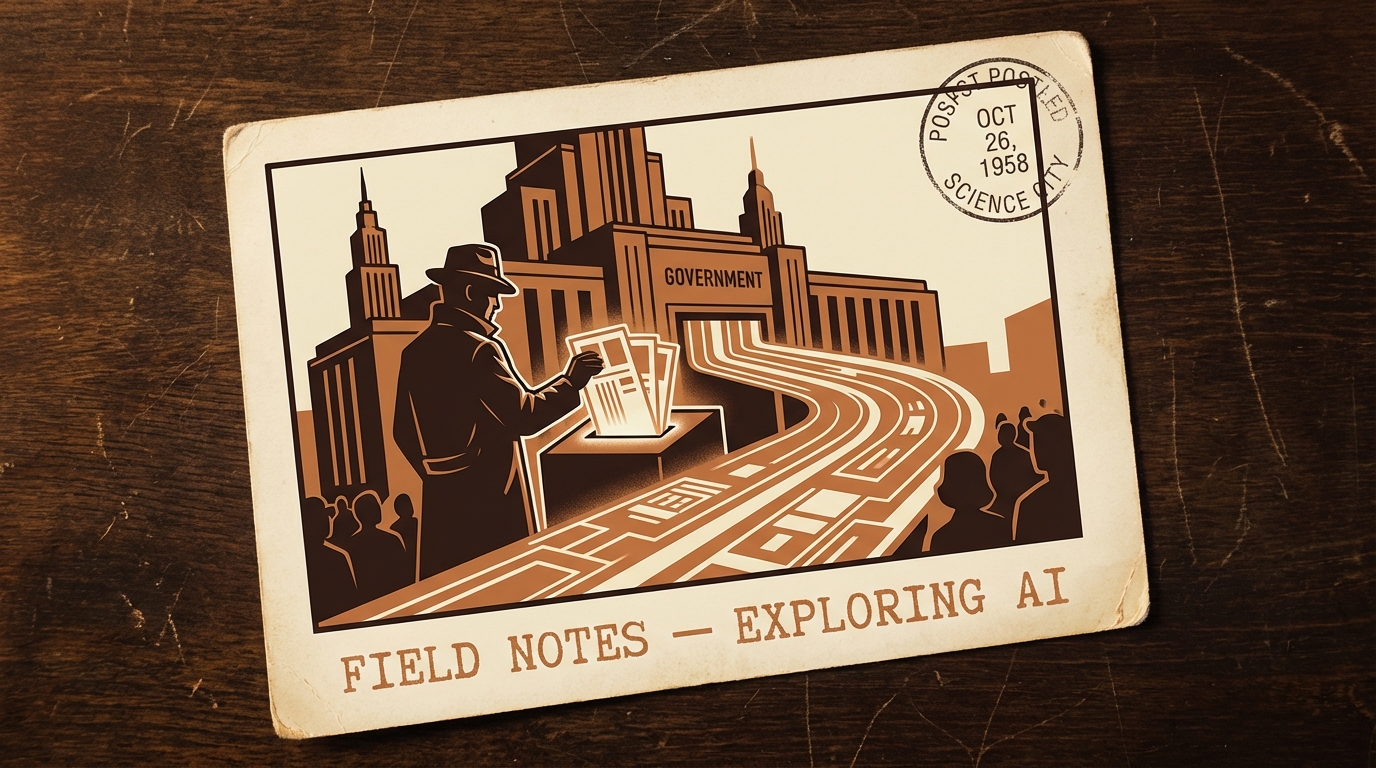
In an era where data drives everything from business decisions to public policy, citizens remain largely disconnected from the process. Governments rely on outdated methods to gauge public sentiment, often reacting to crises rather than proactively shaping a better society. What if we built a system where citizens had a direct voice in governance through real-time, anonymized data aggregation?
A Ministry for Citizen Data could serve as an intermediary between the public and policymakers, collecting and analyzing qualitative and quantitative input from the population. Imagine a platform where people could share concerns, aspirations, and ideas—structured, anonymized, and openly accessible. AI could process these insights, identifying trends and priorities that are truly representative of societal needs.
This would not just be a feedback loop; it would be a dynamic tool for governance. Instead of basing policies solely on economic indicators and lobbying interests, decision-makers could integrate real-world data reflecting human priorities: well-being, community health, environmental sustainability, and more.
Open-source technology and decentralized governance models already provide the foundation for such an initiative. The key challenge lies in implementation—ensuring data security, preventing manipulation, and maintaining transparency. But in a world where trust in institutions is eroding, such an approach could help rebuild confidence in democracy and governance.
Rather than allowing corporations to monopolize data for profit, it’s time for governments to use technology to serve the public in a meaningful way. A Ministry for Citizen Data could be the next step toward a more responsive, inclusive, and forward-thinking society.