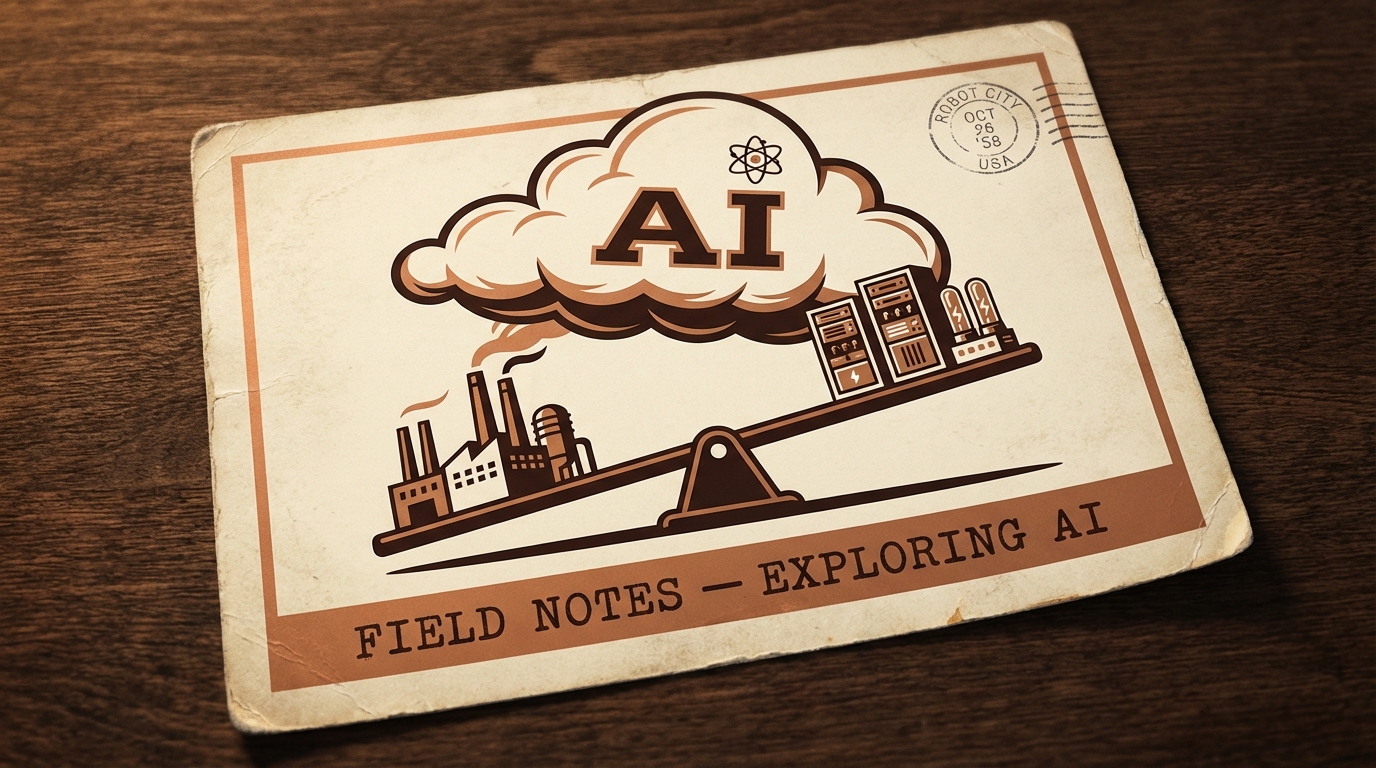
With every technological revolution, we hear the same reassurance: “Don’t worry, innovation destroys jobs, but it creates just as many, if not more.” This comforting narrative held true with industrialization, computing, and the internet. But AI is changing the equation.
Until now, innovations shifted labor to new sectors: industrial automation eliminated factory jobs but increased the need for engineers, technicians, and logistics experts. The internet displaced traditional roles but created new ones in the digital economy.
The problem is that AI does not function like traditional machines. It does not just replace physical tasks but also intellectual jobs, especially in the service sector. The progressive increase in AI intelligence allows it to replace human tasks one after another. Moreover, the speed of deployment is colossal, leading to a complete commoditization of intelligence. Once AI reaches a given capability, all machines can instantly benefit from it, making the transition abrupt and widespread.
Take autonomous vehicles as a concrete example. When they become fully operational, they will put millions of drivers and truckers out of work. These workers will not suddenly become machine learning engineers. The transition will not happen naturally, and the net destruction of jobs will be massive.
Rather than ignoring this rupture, we must acknowledge that a radical transformation of the job market is underway. Clinging to the illusion that AI will follow the same cycle as previous technologies is a refusal to face reality: for the first time, it is not just simple tasks being replaced, but intelligence itself.