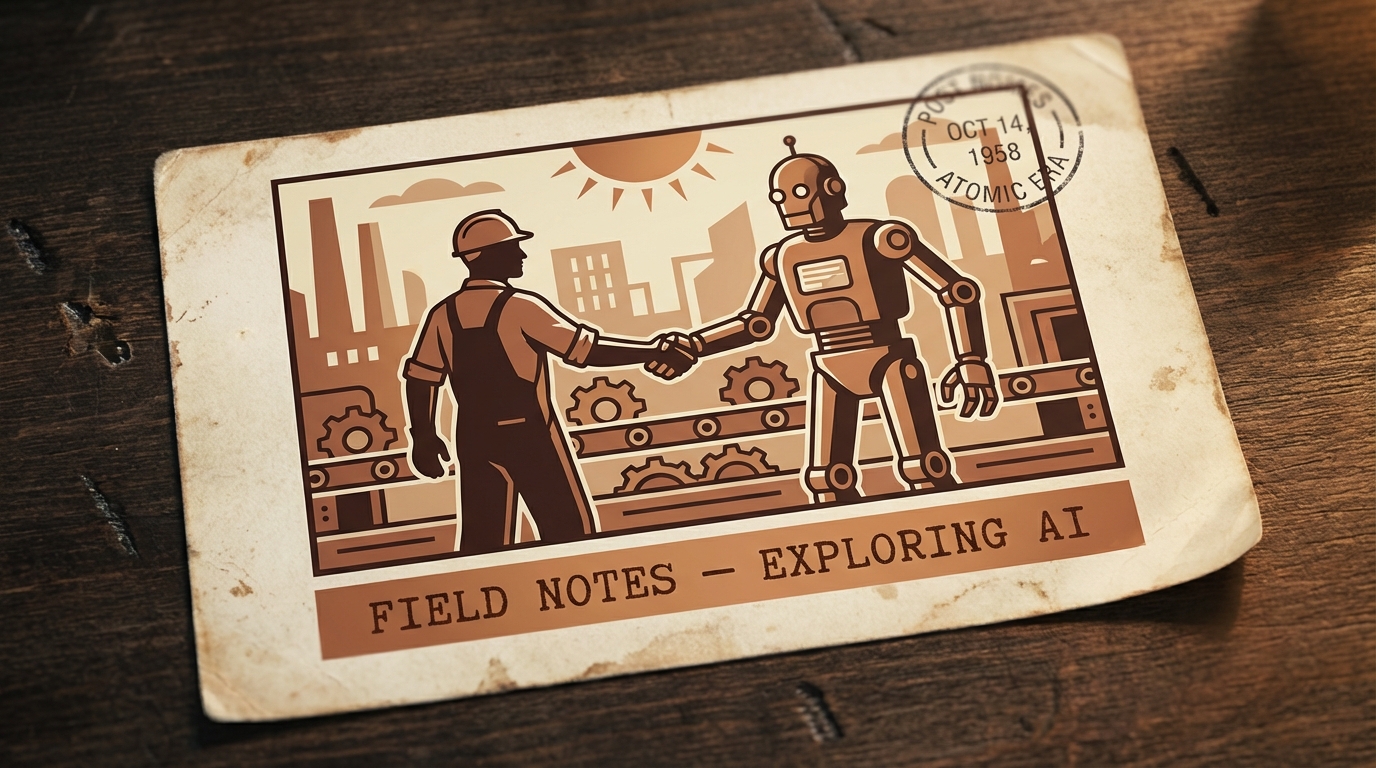
For centuries, work has been the backbone of human society, defining our roles, social status, and economic survival. But as artificial intelligence increasingly automates both manual and intellectual tasks, we must ask: Do we still need to work?
Traditionally, work has been necessary to distribute wealth and ensure social cohesion. However, AI-driven automation is eliminating jobs at an unprecedented rate, questioning the sustainability of a labor-based economy. Unlike past technological shifts, where displaced workers transitioned to new industries, AI is reducing the overall need for human labor itself.
At the heart of this transformation lies a deeper issue: our society measures everything through the lens of capital. Economic growth has become the dominant metric, eclipsing well-being, social cohesion, and the common good. Public services are being dismantled or privatized, leaving the market as the sole driving force of societal organization. This obsession with financial metrics neglects fundamental human needs, pushing individuals into precarious employment while wealth concentrates among those who control automation and AI technologies.
The rapid automation of cognitive and creative professions—from legal analysis to content creation—suggests that fewer and fewer roles will require human intervention. And while new jobs may emerge, they will likely be fewer in number and highly specialized, leaving large portions of the population unemployable under current economic structures.
This forces us to consider alternatives: Could we move toward a post-work society where economic survival is no longer tied to employment? Concepts like universal basic income (UBI) and alternative measures of social contribution must be seriously explored if we are to build a future where people can thrive without traditional jobs.
The real debate is not whether AI will take jobs—it already is. The question is how we adapt our societal structures to ensure that human fulfillment and economic security are no longer dependent on employment. The challenge ahead is not just technological, but deeply political and philosophical: how do we reclaim our societies from the singular dominance of financial markets and reinstate values that prioritize collective well-being over relentless economic expansion?