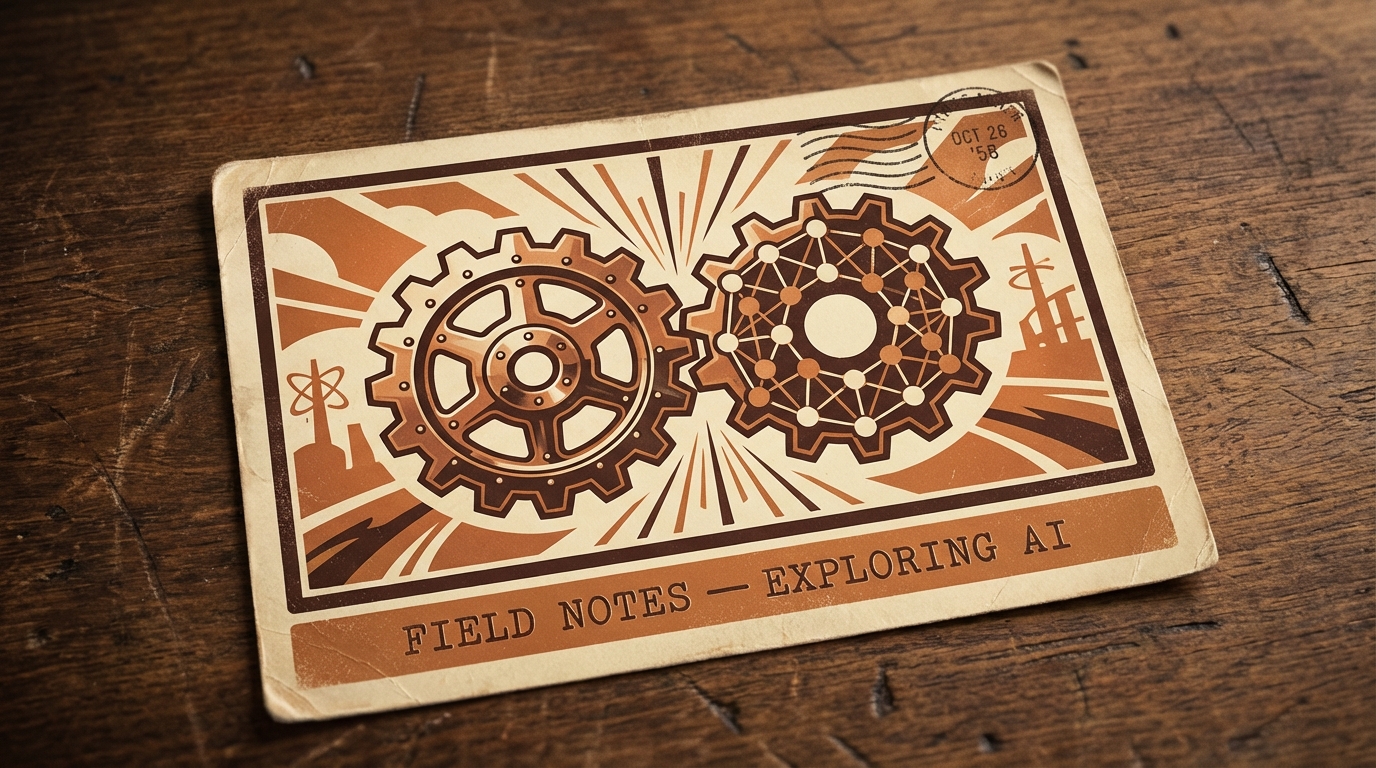
During the recent AI summit where I had the opportunity to participate in a roundtable discussion, a key concept emerged: composite AI. This hybrid approach, which combines multiple types of AI technologies, could very well define the next big step in AI’s evolution.
Two Major AI Approaches
Today, there are two primary approaches to AI:
-
Modern Rule-Based Systems: While previously associated with older expert systems, modern rule-based approaches have evolved into more sophisticated tools, such as knowledge graphs. These systems structure data in a way that allows for more precise and context-aware inferences. For example, Google’s Knowledge Graph organizes and connects information based on user queries, helping to deduce relevant results from vast, structured datasets.
-
Unsupervised Learning Models: These are the AIs we typically associate with deep learning, large language models (LLMs), and generative models like those used for creating realistic images or texts. These systems are designed to handle massive amounts of unstructured data, learning patterns autonomously. Examples include ChatGPT, which generates text based on previous input, and diffusion models that can create lifelike images from textual descriptions.
The Rise of Composite AI
The future of AI likely lies in the fusion of these two approaches. Composite AI leverages the precision and reliability of rule-based systems, while also incorporating the flexibility and learning power of unsupervised models. This combination paves the way for systems that can process both structured and unstructured data, making inferences from one and applying insights to the other.
Example of Composite AI in Game Design: United Bits Games
At United Bits Games, we are developing a system that combines well-defined game design rules with player-specific adjustments to create a coherent and tailored gameplay experience. For instance, a level might be designed to be challenging, but as we make multiplayer games, the difficulty is adjusted based on the players profiles. This includes their playstyle, the characters they use, and other in-game factors. Our system translates these predefined game design rules into personalized instructions for the players. This ensures that the intended challenge remains consistent, regardless of the player’s count and skill level, adapting dynamically to offer a fair and engaging experience.
Example from Autonomous Driving
Another example of composite AI can be found in autonomous vehicles. On one hand, these vehicles use deep learning models to analyze video feeds and recognize objects like pedestrians or traffic signs in real time. On the other hand, they rely on rule-based systems to handle strict driving rules, such as obeying traffic lights or speed limits. By combining these two approaches, autonomous cars can not only “see” and interpret their surroundings but also make safe, rule-bound decisions in real-time.
The Impact of Multimodal Systems
What makes composite AI especially promising is its ability to be multimodal — capable of processing different types of data (text, images, sound, etc.) using a variety of AI models. This enables systems to interact with their environment more fluidly than any single model could.
Imagine a personal assistant that could instantly analyze your calendar (structured data), interpret a vague email (unstructured data), and then predict your needs by combining predictive algorithms with rule-based decision-making.
Conclusion
Composite AI represents the future of artificial intelligence. It doesn’t rely on a single approach but instead combines multiple strategies to create smarter, more responsive systems capable of solving complex problems. By merging rule-based and unsupervised learning models, composite AI offers the promise of broader, more effective applications across industries, from gaming to health care to everyday life. This hybrid approach will lead to AI that not only works in theory but excels in practical, real-world scenarios.
In a way, this mirrors how we, as humans, make decisions by blending intuition and rational thought to guide our choices. Composite AI reflects that balance, using both structured and flexible approaches to navigate complex environments and make informed, adaptive decisions.