Artificial Intelligence is a broad field, with technologies reaching maturity at different times. While generative AI and large language models (LLMs) have recently dominated the conversation, other types of AI are quietly advancing in the background, poised to reshape industries like gaming. One of these technologies is automated QA and player simulation, areas where startups like Filuta.ai are making headway by addressing real pain points in game development.
In modern game development, especially in large-scale, open-world, and multiplayer games, QA (Quality Assurance) has become a significant challenge. Games today involve more complexity, interactions, and moving parts than ever before. Traditional QA methods — largely reliant on human testers — are struggling to keep up, which has led to problems for high-profile titles like Cyberpunk 2077.
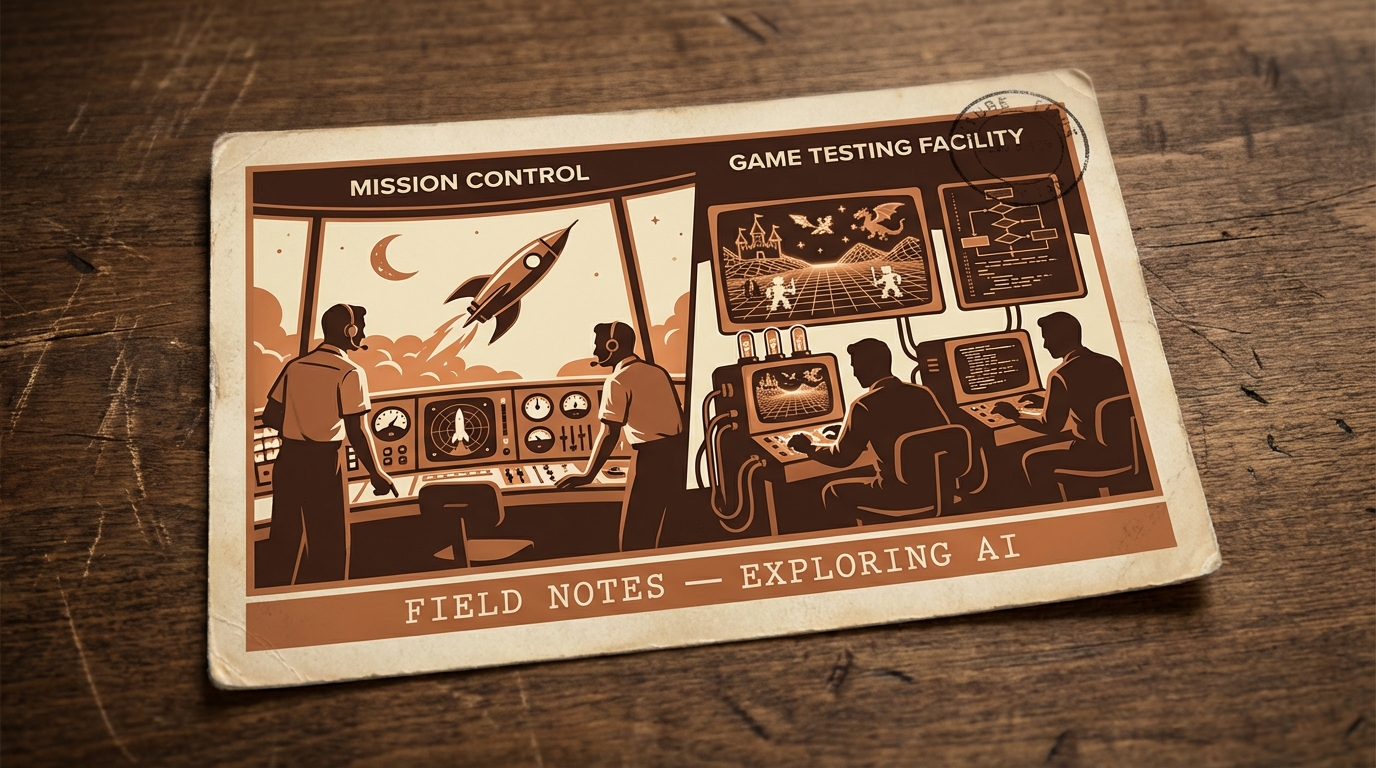
Filuta.ai, a company led by Filip Dvorak, leverages autonomous planning agents — a technology originally developed for deep-sea exploration and space missions — to tackle these issues. I had the opportunity to speak with Filip about how his company is bringing this technology to the gaming industry. These agents don’t need the same level of detailed scripting that human testers or traditional QA systems rely on. Instead, they observe the game environment in real-time and autonomously devise strategies to achieve specific testing goals. This ability to adapt dynamically, without needing to rewrite test scripts constantly, is a crucial advantage when testing games that are continually evolving. The fact that this technology has been used successfully in complex, high-stakes environments such as Mars Rover operations only reinforces its reliability and potential when applied to game development.
Addressing Complexity in Game Testing
As games become more sophisticated, the complexity of testing them increases exponentially. Open-world environments, multiplayer mechanics, and constant updates make it nearly impossible for human testers to cover all potential scenarios. This is where automated QA comes into play. By using AI agents that can test and re-test game elements autonomously, game studios can ensure more comprehensive coverage without increasing the size of their testing teams.
I experienced this firsthand during the development of a point-and-click adventure game. We implemented automated testing for the game’s critical path, allowing us to verify that the main progression through the game worked perfectly in just two hours. Every time we released a new build, we could confidently say that the core gameplay was intact. This approach saved us countless hours of debugging and prevented critical issues that would have otherwise slipped through the cracks.
What made this process invaluable was how small, seemingly insignificant changes in the game could cause unexpected major issues. Without automated testing, those problems would likely have only been caught much later, causing delays. While our test was for a tightly controlled environment, Filuta.ai’s system takes this to a new level by offering intelligent agents that can adapt to changes in real-time. These agents require no constant script updates — they can dynamically plan and adjust their behavior to test the game more effectively.
Multiplayer and Bots: Solving Another Pain Point
In addition to testing, another critical application for these technologies is player simulation in multiplayer games. With Gen Z driving demand for cooperative and competitive multiplayer experiences, ensuring a seamless gameplay experience is paramount. However, maintaining large multiplayer games poses unique challenges, particularly when players disconnect or lobbies aren’t full.
Here’s where AI-driven bots come into play. These bots can seamlessly fill in for missing players, making sure that games continue without interruption. More impressively, with just 10 to 15 hours of recorded gameplay, these AI systems can learn a player’s style and replicate their behavior, making the bots feel less artificial and more like real players.
This is not only useful in filling lobbies but also in maintaining the illusion of a populated game world. For example, in a game like Fall Guys, bots ensure that matches always start with the required number of players, enhancing the overall experience. And as multiplayer games grow in complexity and scale, having bots that can mimic real player behaviors will become increasingly important.
Adoption Challenges and Industry Evolution
While the potential benefits of these AI-driven systems are significant, the real challenge is mindset. Many studios tend to focus heavily on getting their game developed and only consider automated testing or advanced QA solutions too late in the process. However, integrating such tools early on can dramatically save time and improve the quality of the final product.
My experience with automated testing showed how critical it was to implement these systems during development. If testing is integrated too late, studios risk missing out on major productivity gains. Automated testing systems like Filuta.ai’s allow developers to catch bugs, manage updates, and ensure consistency without having to rewrite scripts. This scalability is especially important for games with a high level of complexity, where maintaining test coverage would otherwise become impossible.
By adopting a forward-thinking approach and recognizing the importance of QA and player simulation early, studios stand to significantly improve their production pipelines and deliver more polished products.
Looking Ahead: A New Era for AI in Games
The advances in AI-driven QA and player simulation are just the tip of the iceberg. As the industry continues to grow, new AI technologies will emerge, providing even more tools to help game developers create, test, and optimize their games. This technology isn’t a one-size-fits-all solution — it’s a reflection of how AI is evolving to meet the specific needs of industries like gaming.
As Filip Dvorak explained during our discussion, Filuta.ai’s technology is rooted in autonomous control systems originally designed for space exploration and industrial automation. These systems, proven in high-risk, high-reward environments, are now being repurposed to tackle the challenges of modern game production.
While it may still be early days for widespread adoption, the potential is clear: AI-driven systems can provide studios with the tools they need to tackle the complexity of modern game design and deliver smoother, more stable gaming experiences.
As AI technology continues to mature, it’s essential to remember that the landscape is diverse, with different AI technologies finding their moment to shine. As processing power increases and AI techniques become more accessible, more of these systems will move from being experimental technologies into industry standards.
For the studios that recognize the opportunity early, the rewards will be significant. Whether it’s in streamlining the QA process or ensuring flawless multiplayer experiences, AI is poised to reshape the way games are made — and played — in ways we’re only beginning to understand.